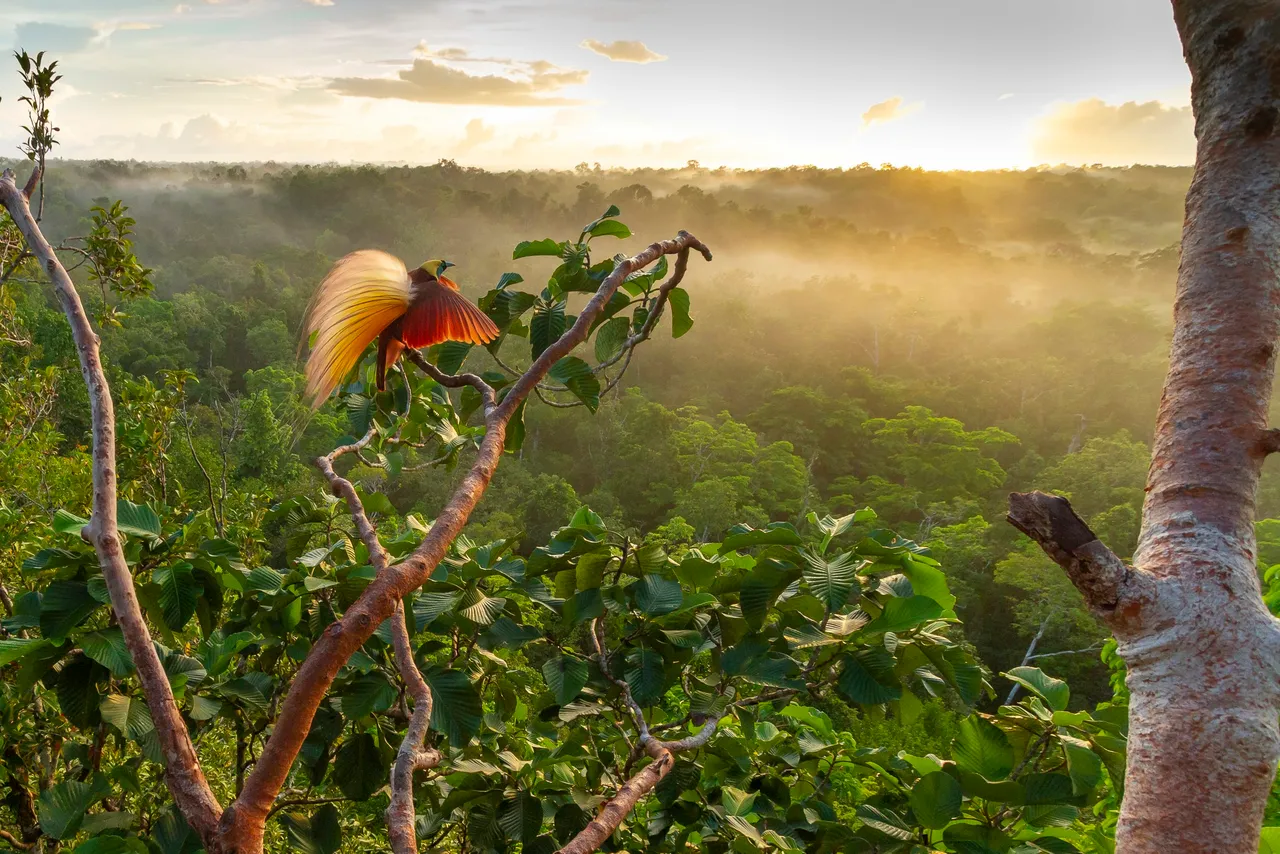
A bird photography masterclass by Tim Laman · Beginner to intermediate
Trusted by 2,141bird photographers
Finally come home with keepers, not soft shots.
Right now, your camera sits on Auto and half the morning comes home soft, blurred, or one second too late. That's not a talent problem. Follow Tim's simple framework, and you'll learn how to consistently capture beautiful, sharp bird photos with the camera you already own.
Less than 1% refund rate14-day money-back guaranteeLifetime accessRated 4.9/5 by our students
Featured in
"I especially enjoyed Tim explaining his camera settings for many of his iconic shots."
SScott Rauland · verified student
Dear Friends,
You get home from a morning out, put the card in the computer, and start clicking through.
Soft. Soft again. An empty branch where the bird had been a second earlier. The one frame where something actually happened is blurred.
I know that feeling.
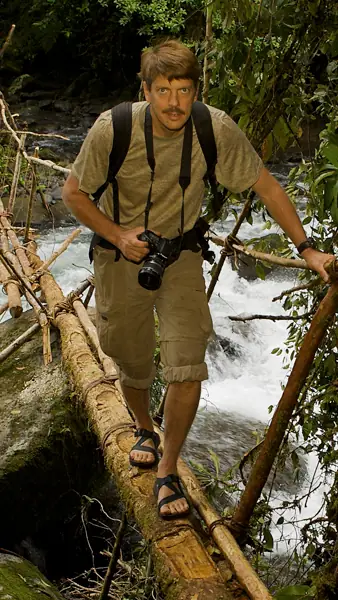
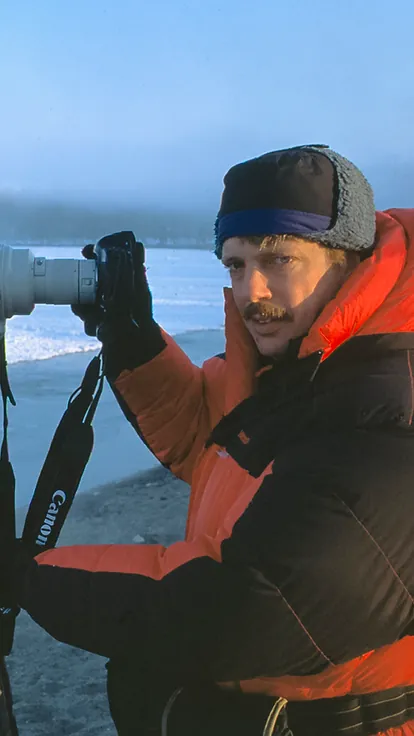
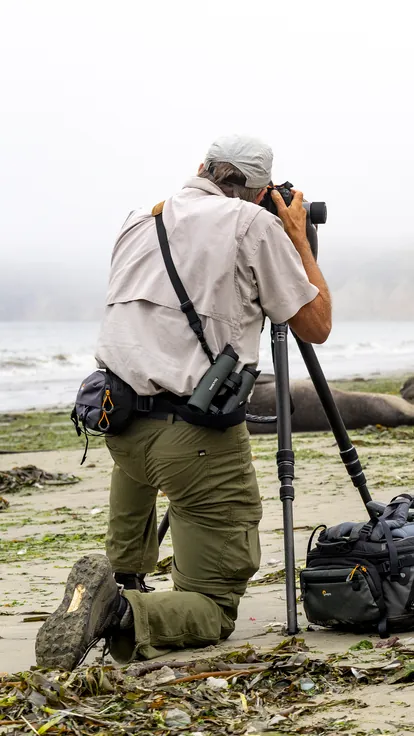
My name is Tim Laman. I photograph birds for National Geographic, where I've shot 25 feature stories, and in 2016 I was named Wildlife Photographer of the Year.
But I didn't start out anything like that. For years I came home with soft photos, and I had no idea what I was doing wrong.
At first I thought my gear was the problem.
So I bought a new camera, but barely anything changed.
Then the problem had to be me. Maybe photography was just too difficult for me.
It took me years to realize that neither of those things was true.
The real problem was that my camera was guessing.
Your camera doesn't know what you know. So it makes guesses. Brighten or darken the photo? Focus on this or that? Increase the shutter speed?
This might work well for a family photo. But when you're photographing birds, your camera often gets it wrong. It exposes for the bright sky and leaves your bird black. It grabs the leaf in front instead of the eye. Or it finds the focus a moment too late.
So what's the solution?
It's not just switching to manual mode and hoping for the best.
The trick is knowing when your camera is guessing wrong and how to fix it.
Say you're shooting a bird against a bright sky. Your camera thinks the whole picture is too bright and darkens it, so the bird comes out underexposed. That's when you need to adjust your exposure compensation.
Or you want a bird just as it lands on a branch. The camera can't find it in time, so the bird comes out soft. Then you focus on the branch before the bird arrives and lock the focus there.
There's a simple step-by-step solution to all of these scenarios. And that's exactly why I put together my masterclass:
Birds, Camera,Action
There, I've boiled down everything I've learned in nearly 30 years of shooting for National Geographic, plus films for the BBC and Netflix.
In eight easy-to-follow lessons, I'll show you how to choose the right settings, focus on birds, and handle almost any situation with your camera.
So you can consistently capture stunning bird photos.
Trust me, learning how to use your camera makes a huge difference. You won't have to feel like giving up every time your photos go wrong.
Instead, you'll feel more confident with your camera and be able to enjoy bird photography even more.
I hope this masterclass helps you as much as it has helped thousands of other photographers!
"I was able to watch a video then take your lessons straight out into the field and notice a big difference to the quality of photos I was getting."
MMatt Nicklin · verified student
"I had been looking for a course to help me graduate from Auto to Manual and this was it."
KKathy West · verified student
The complete masterclass
So here's what you'll learn:
1
Part 1
Ready for action
The settings I put on my own camera before I go out, so you're ready for any situation with a bird. Perfect for anyone who keeps getting soft shots, or keeps missing the moment.
2
Part 2
Handle your camera like a pro
How I hold and work the camera when there is action, plus more camera and lens settings for working with flying birds.
3
Part 3
Sharp photos every time
Back button focus, the single change that gets more birds sharp, plus the focus points I use and how I lock focus on the eye and reframe.
4
Part 4
Perfect focus in flight
How I hold focus on a bird that is already in the air, and the settings and techniques behind it.
5
Part 5
Mastering the exposure
The auto-exposure modes, what each one actually does, and which one I switch to in which situation out in the field.
6
Part 6
Perfect exposure in any light
Exposure compensation and manual mode, for the times when the light fools your camera into getting it wrong.
7
Part 7
Birds in flight
My tips for the flight situations you actually run into, from takeoffs and landings to birds on the wing.
8
Part 8 · Bonus
The art of motion
A bonus lesson on shutter speed. Once you start slowing it down on purpose, a lot of creative room opens up.
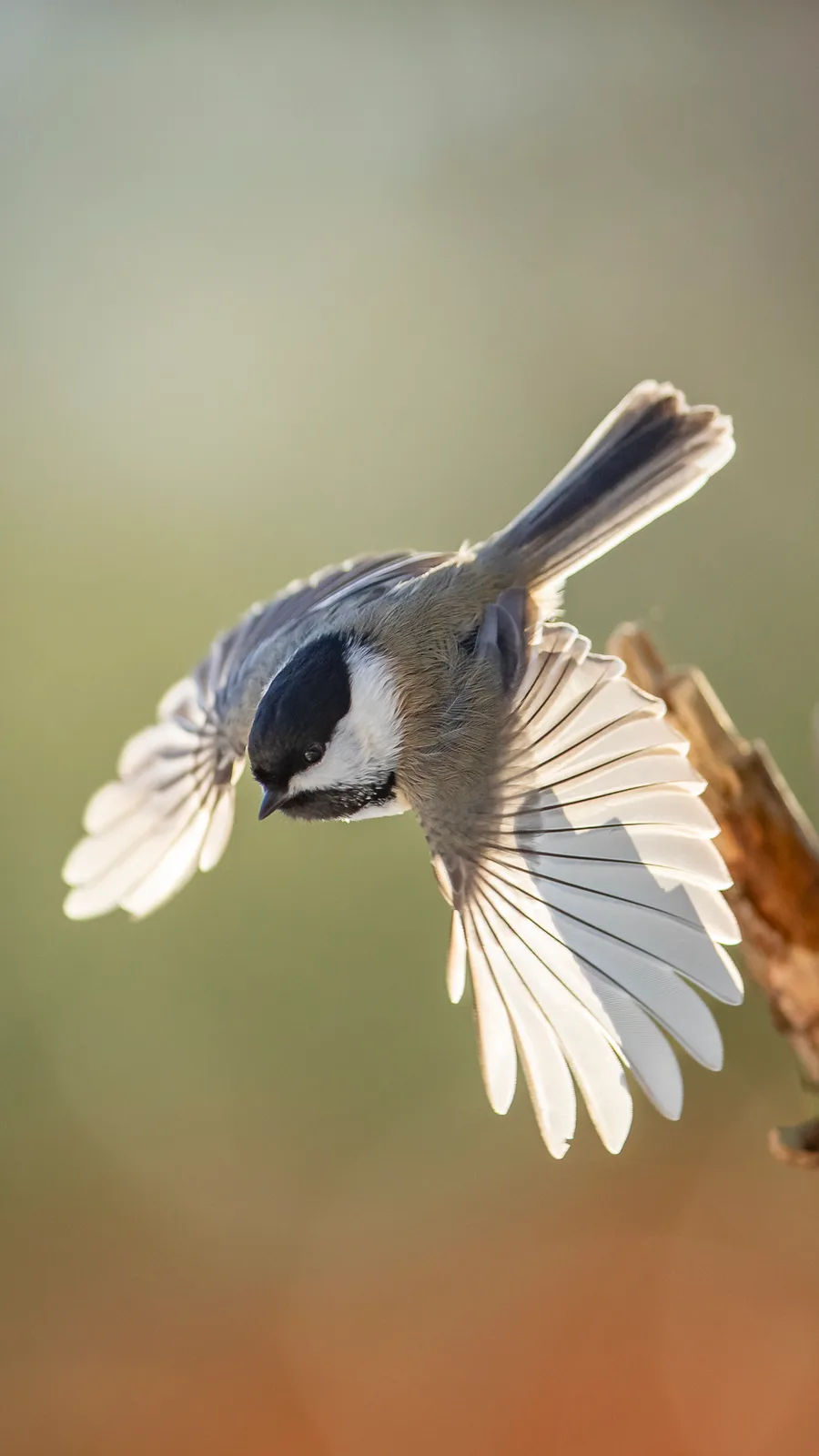
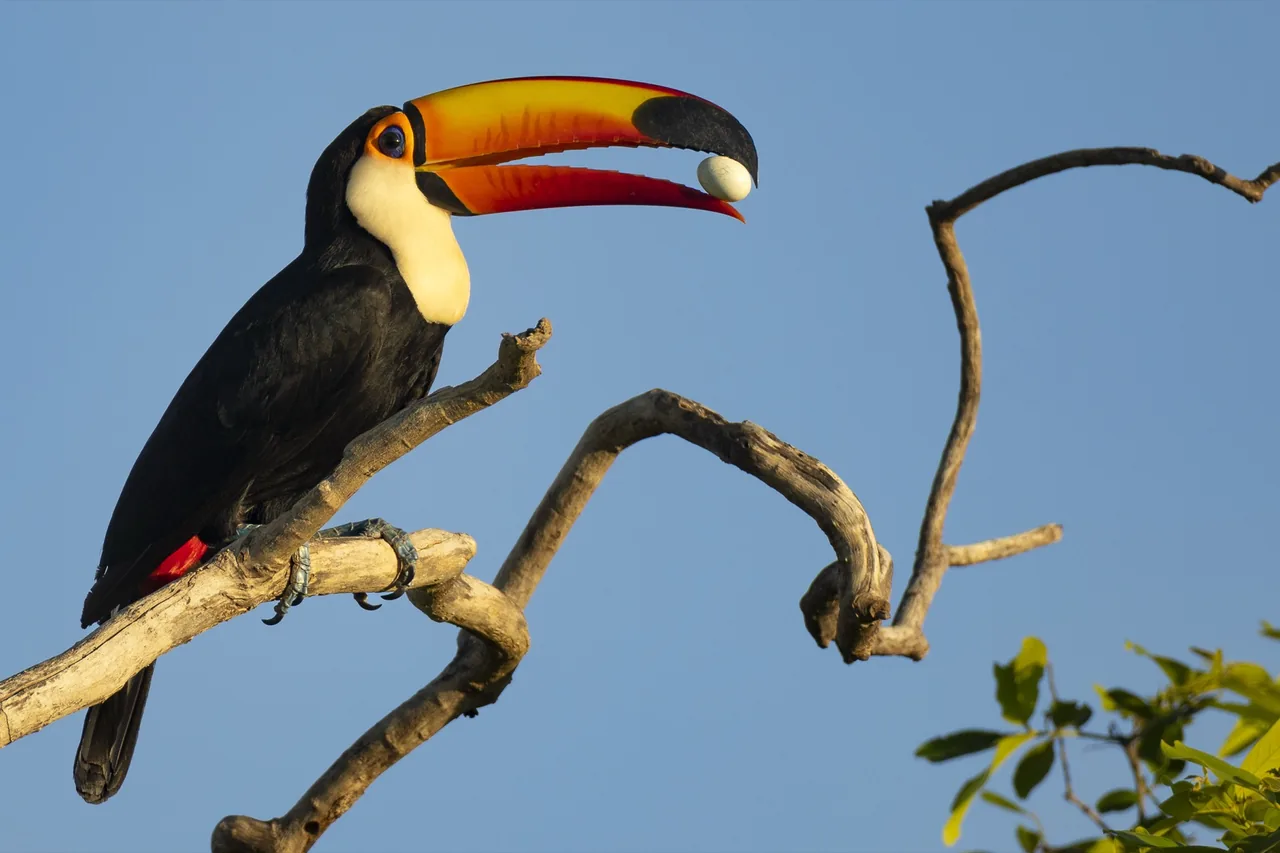
Nothing exotic about the technique. The same framework works on a toucan and on the chickadee at your feeder.
More than 2,000 photographers have taken the masterclass. Here is a selection of their reviews.
K
Kathy WestReview on Thinkific · October 1, 2025
Course helped immensely
I had been looking for a course to help me graduate from Auto to Manual and this was it.
Tim did a great job explaining why he chose the settings he did for the photos he showed in the video and also talked about other settings, like Back Button Focus, which I now use and love it!
Thanks Tim!
Verified student
P
Peter ColmanReview on Thinkific · May 7, 2026
An amazing introduction to bird photography from a great expert
I am a beginning photographer who has worked hard to get familiar with a new mirror less camera. I had made a few attempts at bird photography with a newly purchased telephoto lens but been a bit disappointed with the results. This course has taught me numerous tricks to take to the field. It is magnificently presented by Tim who speaks directly to you sharing his vast experience with great examples. Thanks so much!
Verified student
P
Paul GalleryReview on Thinkific · September 14, 2026
Great course
I've been a hobby wildlife photographer for several years and taken many online courses. Tim's course bore down into specific topics and hardware settings that I have not learned anywhere else.
I shoot on an entry level D3400 and couldn't be happier with how my photos are coming out after applying what I've learned!
Verified student
M
Matt NicklinReview on Thinkific · July 29, 2024
I learnt so much!!
Thanks Tim, you have helped me get better at bird photography and photography in general. I was able to watch a video then take your lessons straight out into the field and notice a big difference to the quality of photos I was getting. Keep up the good work!! Matt
Verified student
L
Lisa von BielaReview on Thinkific · October 6, 2025
Outstanding!
Tim does a great job explaining concepts and techniques, and I especially appreciate how he uses examples to really make the material come alive in a tangible way.
I'd heard of back-button focusing, but never really understood it or what it could do for me, and now I'm excited to try it!
There were a number of "big revelation" moments for me, and I'm anxious to put these things into my bird photography practice and get to that "next level."
Verified student
L
Luis CarrascoReview on Thinkific · December 14, 2025
Truly enjoyable class for all levels of photography
Tim Laman does a great job in simplifying the leaning experience of bird photography (a touch subject even for pros!) giving you tips so you can start shooting and learning from lesson 1. I already started seeing improvements in my photography by adjusting to the lessons and I'm very excited to keep learning and enjoying the process with the current gear I have.
Verified student
S
Scott RaulandReview on Thinkific · November 24, 2024
Excellent overview of the basics
What a wonderful experience to learn and/or review the fundamentals of wildlife photography with one of the masters of the craft! I especially enjoyed Tim explaining his camera settings for many of his iconic shots.
Verified student
C
Cara DunbarReview on Thinkific · January 24, 2026
Learnt so much
Such a great course for beginners, I feel much more confident using my camera and knowing what it is capable of. Thanks Tim!
Verified student
V
Vern SouthardReview on Thinkific · December 11, 2025
Excellent course, worth your time and investment.
I've been doing bird photography for many years and gotten many good images, but there have been times when I've missed opportunities in situations that I'll now recognize, understand and be better prepared to capture what I see using some of the settings and techniques shown in this detailed and interesting course.
The real world in the field photo examples that Tim uses makes it easier to understand how applying a setting or technique positively affects getting the results you want in specific situations, such as shooting in low light without blowing out the highlights by adjusting exposure settings rather than ISO.
I'm looking forward to trying Tim's expert tips and methods and hopefully taking my bird photography to a higher level.
Verified student
D
Daniel HamelReview on Thinkific · March 19, 2026
Fantastic!
This is definitely the best "crash course" I've taken on the topic, and really helped me figure out how to get my camera set up properly for bird photography.
Verified student
W
William SouthgateReview on Thinkific · April 23, 2026
A great update!
Although I have been shooting for the last 5 years, this course both solidified my foundation and advanced my understanding of bird photography in a meaningful, efficient manner. It also inspired me to push beyond my current internal limitations of what makes a "great" image.
Verified student
R
Raffaella ChersoniReview on Thinkific · April 30, 2024
Best course ever on bird photography
By far it is the best bird photography course I have ever seen with a lot of tips on different types of situations with different birds.
Also, thanks Tim for the great work you have done in this course explaining in a very simple way some concepts that are not easy to explain in photography. I would definitely recomment this course to anyone interested in wildlife and in particular in bird photography.
Verified student
M
Mark HeilmanReview on Thinkific · May 7, 2024
Clear, concise, and inspirational
This course exceeded expectations. There is an abundance of practical information presented in a very clear, concise manner with ample examples.
At this point I am not sure if I am more enamored with Tim the photographer or Tim the presenter. It takes real talent to be able to distill this much information into such an exceptional presentation.
Verified student
R
Richard WhiteReview on Thinkific · November 2, 2025
Course 1: Birds, Camera, Action
I have been photographing birds for almost 10 years. Tim's course does a wonderful job of "stretching" my images beyond "eye in focus perching shots."
Birds in motion and working with different shutter speeds to capture wing blur does create a more interesting dynamic image. Related techniques to create more abstract photos is becoming an important part of my next stage in wildlife photography.
Thanks Tim for giving me permission to be creative!
Verified student
W
Wendy StewartReview on Thinkific · April 15, 2026
Terrific!
Such a great course. Basic information in some ways yet great detail and thorough explanations for more advanced photographers. Love Tim's relaxed style, his incredible expertise and his clear delivery of the material. Really terrific!
Verified student
T
Tessa IvisonReview on Thinkific · December 20, 2025
Thanks Tim
Great course. Very clear, succinct and useful. I feel more confident to go shooting now.
Verified student
M
Michelle GloverReview on Thinkific · April 10, 2026
Great introduction
Thank you Tim. I very much enjoyed this introduction to bird photography.
For the first time I've invested in a mirrorless camera and good lenses for the purpose of improving the quality of my bird images. This course has provided me with a good understanding of the tools available with modern technology.
I'm excited to put my new found knowledge into practice.
Verified student
K
Katie GrenierReview on Thinkific · March 11, 2026
Excellent course!
One of the best online classes that I've taken! Thank you, Tim! This is well-organized, informative, and I appreciated the "Key Takeaways"! Excellent!
Verified student
M
Michael PerezReview on Thinkific · March 7, 2026
Excellent for understanding how to and why of bird photography
I've been experimenting with photography for a long time, understood the basics, but this was an excellent course to hone in on key elements to improve, specifically for birds and wildlife. I highly recommend for anyone aspiring to improve their photography.
Verified student
J
Jaclyn HiekenReview on Thinkific · July 16, 2026
Very informative!
As a beginner photographer and lifelong admirer of birds, this course was just what I needed. I can't wait to get out and use these tips in my own practice to achieve greater results.
Verified student
V
Vickie ChapmanReview on Thinkific · December 5, 2025
Birds, Camera, Action
Very insightful. I really enjoyed the class. I have been shooting for a while now and tend to be stuck in my ways. You opened my eyes to new possibilities. Now to go practice my new skills! Thank you!!
Verified student
A
AnonymousReview on Thinkific · April 27, 2026
Birds, Camera Action was an amazing course well worth taking!
I am an amateur photographer and wanted to learn how to photograph birds. Tim Laman made this class ease to understand how to use the settings on your camera and the effects the Shutter Speed, Exposure, Aperture play on focus and getting the best shot. I have much to learn but this course was a good foundation to get started on.
Verified student
B
Blake IrvinReview on Thinkific · July 29, 2024
My favorite course in this category
Maybe it's because of the shared biology background, but Tim's approach really works for me. His tips on focus for birds are especially helpful.
Verified student
M
Michael BorchardtReview on Thinkific · May 13, 2026
Thanks; great course
Very good course, practical, with a lot of tips and hints that make it easier for a beginner in bird photography to experiment out in the field. Thanks to Tim for his generosity in sharing his knoledge.
Verified student
P
Peggy BeckerReview on Thinkific · August 16, 2026
Good review of key considerations
Really enjoyed the pace of the lessons and emphasis on why and when to use different settings. Very helpful.
Verified student
D
David RobbinsReview on Thinkific · July 13, 2026
Master class with Tim Laman
Great introduction to bird photography giving you the essential things to consider and manipulate in order to capture that perfect image.
Verified student
J
J BeckReview on Thinkific · June 24, 2026
Perfect
This is an excellent introductory course for anyone interested in photographing birds! Tim uses his spectacular photos - including some birds-of-paradise - to demonstrate each lesson.
Verified student
B
Benjamin EachusReview on Thinkific · April 4, 2026
Very informative
As a beginner, this was very accessible, excited to get out there and get some shots.
Verified student
M
Morgan MurrayReview on Thinkific · June 25, 2026
I liked the title of this course. I am very interested in bird photography, but I am a beginner. This course was perfect for what I was looking for.
The text of the course was concise and direct, which I was able to incorporate into my efforts to take good photos.
Verified student
A
Art PhinneyReview on Thinkific · July 6, 2026
Birds, Camera, Action
Top rate instruction. Solid tips and base starting point. A "must see" for all interested.
Verified student
J
Jaime JudaReview on Thinkific · April 14, 2026
Awesome!
This was a fabulous course. Very well organized and the explanations were super clear. I really enjoyed it.
Verified student
S
Sharon PortelliReview on Thinkific · February 21, 2026
Great
It's taken a while to get through the course but I have learned a lot and now need to put it into practice. I will go back and review parts of the course.
Verified student
J
Jose VenegasReview on Thinkific · December 31, 2025
Inspiring
I loved this course. In there you can learn a lot about photography and artistic impressions while shooting.
Verified student
R
Rebecca SmithReview on Thinkific · March 9, 2026
First class
This is an excellent review of aperture, shutter speed & ISO. Thanks for the clear, guidance.
Verified student
B
Bonnie McDonaldReview on Thinkific · May 22, 2026
The course covered exactly what the Title implied.
Verified student
K
Kyle ZeringueReview on Thinkific · July 3, 2026
Excellent
Great review. Picked up some great refresher tips. Thanks, Tim
Verified student
R
Robert McClellandReview on Thinkific · December 29, 2025
Excellent course
Well worth taking this course have learnt a lot.
Verified student
J
James E Spittler, JrReview on Thinkific · April 27, 2026
Captured the course
Very good information that I will review several times.
Verified student
M
Martin AmandReview on Thinkific · January 8, 2026
What I need
Very useful technics, tips to progress in bird photography.
Verified student
M
Mazie ThomasReview on Thinkific · December 13, 2025
Masterclass on birds
Great class and informative.
Verified student
L
Larry WainrightReview on Thinkific · April 2, 2026
Appropriate
Good, I learned lots of practical information.
Verified student
D
Daniel ChanReview on Thinkific · December 10, 2024
Great introduction
Lots of sample and good explanation to understand from those master skillset.
Verified student
W
William FlanaganReview on Thinkific · May 28, 2026
Great
Verified student
The offer
Birds, Camera,Action
An easy-to-follow bird photography masterclass with National Geographic photographer Tim Laman. Here's what you get when you sign up today.
Eight step-by-step video lessons
The ready-for-action settings, so you can shoot birds properly the same day you start
Two full lessons on focus, including back button focus and which focus area to use when
Two full lessons on exposure, including what to do when the light fools your camera
A flight lesson and a bonus lesson on deliberate motion blur
My own settings, behind my own pictures
I walk you through my own photographs and the exact settings behind each one
Everyday birds as well as famous ones, so the lessons work at your own feeder
Key takeaways at the end of each lesson, so you can find a setting again later
Watch it anywhere, and keep it
Instant access on your computer, tablet or phone, wherever you are
Yours to keep for good, so you can come back to a lesson before a trip
Start tonight and go at your own pace, nothing expires
14-day money-back guarantee
You don't have to say yes today. You only have to say maybe.
Go through the whole course first. If it's not for you, email us and get your money back
Everything in this course comes from work I'm still doing. Here's some of it.
25 feature stories for National Geographic, with a strong emphasis on birds.
Wildlife Photographer of the Year 2016, the overall title, for a picture of an orangutan climbing a fig tree in Borneo. The idea for that photograph took me more than twenty years to get right.
All 39 species of birds-of-paradise, photographed in the wild. Eight years, 18 expeditions and 2,006 hours sitting in blinds. I'm the first person to do it.
Camera work for Planet Earth II and Our Planet, plus other films for the BBC, Netflix and National Geographic.
And when I'm home in Massachusetts I photograph chickadees, blue jays and woodpeckers in my own backyard.
No. Cameras that are 10 or 15 years old still take excellent bird photos, and you really don't need a huge expensive lens to start. The course is about getting more out of the camera you already have, and one student put it better than I can: "no need to go and purchase additional items like in other courses."
Birds, Camera, Action is a beginner to intermediate course, and it starts from the settings up. If you've been shooting for years, most of the value is in seeing how I actually work in the field and which settings sit behind specific photographs. William Southgate had been shooting for five years when he took it and wrote that it "solidified my foundation and advanced my understanding."
Neither do I, most of the year. I live in Massachusetts and photograph chickadees, blue jays and woodpeckers in my own backyard, and some of those pictures ended up in my book. If you can't find uncommon birds, take uncommon photos of common birds. A chickadee at your feeder is enough to practice everything in this course.
Some of it, yes, and there's good material out there. The trouble is that most of it explains what a setting is rather than when to use it, and the videos come in a random order, so nothing sticks. This is one photographer's whole method in one place, in the order you need it, from the first setting to birds in flight.
About two hours in total, in eight separate lessons, so you can watch one in an evening. You can also do what Matt Nicklin did and watch one lesson, go straight out with the camera, and come back for the next one. The course is yours to keep, so there's no rush and nothing expires.
No. Birds, Camera, Action is about getting the shot right in the camera, out in the field. What you do with the file afterwards in Lightroom is a separate skill, and these eight lessons don't cover it.
Email us within 14 days of buying and we refund you in full. It happens rarely. Of the first 2,237 orders, 18 asked for their money back, which is under 1 percent, but the guarantee is there so the decision is easy either way.
Ready when you are
Your next morning out could go rather differently.
Start with lesson one tonight. It's about fifteen minutes, and it ends with a set of settings you can use at the feeder tomorrow.